Deck Staining and Sealing: Safeguarding Your Investment
Deck staining and sealing are essential in keeping outdoor spaces in top condition. These methods protect the wood from moisture, UV exposure, and environmental deterioration. Consistent maintenance can improve both appearance and durability. Yet, many homeowners neglect the significance of these protective steps. Grasping the right approaches and scheduling can produce meaningful results. What are the key steps to guarantee peak protection and value for your investment?
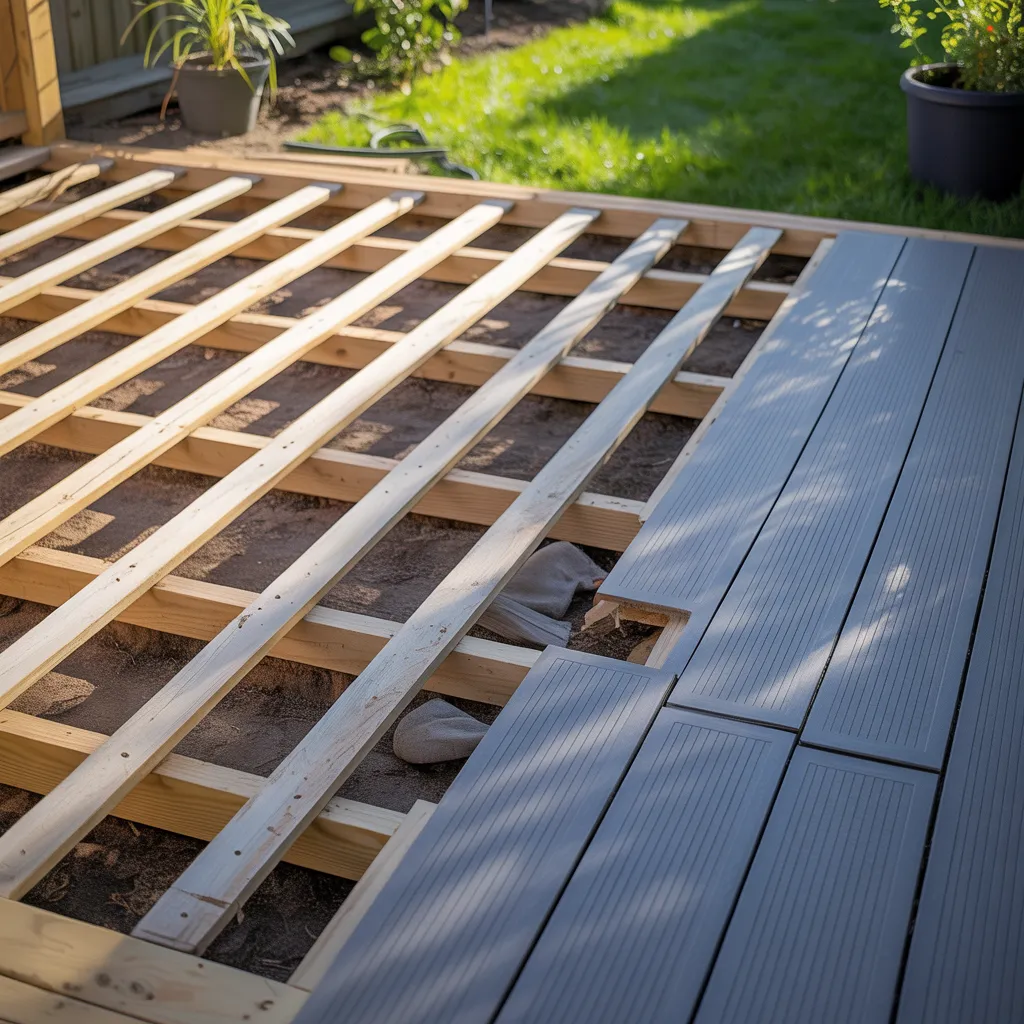
How to Guarantee Longevity Through Deck Staining and Sealing
To maximize the lifespan of a deck, thorough staining and sealing are critical. These treatments shield the wood from UV rays, moisture, and outdoor elements that can lead to damage. Staining forms a protective layer that blocks moisture infiltration, decreasing the likelihood of mold growth and decay. It further beautifies the wood's surface, resulting in a more striking and polished appearance.
The sealing process, in contrast, seals the stain and delivers an additional layer of protection against wear and tear. It is important to use high-quality products formulated for outdoor applications to achieve maximum performance. Regular maintenance, including reapplying the product every few years, is necessary to preserve these protective properties.
Complete Step-by-Step Instructions for Staining Your Deck
Proper staining and sealing set the stage for a successful deck enhancement project. To begin, the deck must be completely cleaned to eliminate dirt, mildew, and existing stain. A pressure washer or a stiff brush with a deck cleaner can be effective. Following the cleaning process, let the deck dry thoroughly, usually for 24-48 hours, to ensure optimal adhesion of the stain.
Following this, any flaws or surface defects should be filled with a quality wood filler. After the repairs are complete, the stain application can begin. Using a high-quality brush or roller, distribute the stain in an even manner, working in small sections to eliminate uneven overlapping. It's essential to work along the wood grain for a smooth finish.
Once the first coat has dried, a second coat may be necessary for additional protection and improved color richness. To complete the process, let the deck cure for a minimum of 24-48 hours before allowing furniture placement or foot traffic, to ensure durable and lasting outcomes.
Picking the Ideal Products for Deck Staining and Sealing
Choosing the appropriate items for deck staining and sealing is important, as the quality and compatibility of products can considerably influence the appearance and longevity of the deck. Deck owners should consider the type of wood, local climate, and intended finish when selecting materials.
When it comes to stains, options range from see-through to full-coverage tones, each affecting the wood differently. Translucent stains give a natural finish while opaque stains deliver superior protection and bold color. It is important to select a stain that is specifically formulated for exterior use to ensure long-lasting performance.
Sealers also play an important role, with options including water-based and oil-based formulations. Water-based sealers dry quickly and are easy to clean up, while oil-based versions penetrate deeper into the wood. Moreover, opting for sealers that offer mildew and UV protection can improve the deck's durability against outdoor elements. Careful selection can greatly extend the life of the deck.
Strategies and Guidelines for Proper Deck Sealing
Successful deck sealing demands careful attention to surface preparation and the selection of appropriate sealants. Thoroughly cleaning and sanding the surface ensures superior adhesion and durability of the sealant. Moreover, selecting the appropriate sealant according to the deck's structure and environmental factors can significantly improve protection.
Key Surface Preparation Principles
Achieving a successful deck sealing project relies on comprehensive surface preparation, which considerably influences the longevity and appearance of the finish. To begin, it is important to thoroughly clean the deck by removing dirt, mold, and old finishes with a pressure washer or an appropriate deck cleaning solution. Any loose boards or nails should be repaired to ensure a secure and even surface. Sanding the deck can further enhance adhesion by eliminating rough spots. Once cleaning and repairs are complete, it is essential to ensure the surface dries fully, as excess moisture can impede sealant penetration. Lastly, checking the deck for leftover debris guarantees a pristine surface, enabling the selected sealant to adhere properly and provide optimal protection.
Picking The Appropriate Sealant
What is the best way to ensure the right sealant is picked for a deck? Selecting an appropriate sealant requires several key aspects. Initially, it is critical to identify the deck material—wood, composite, or vinyl—as this determines compatibility. Wood surfaces typically benefit most from water-based sealants, while composite decks may require specialized products. Additionally, evaluate the environmental conditions; for instance, decks facing prolonged UV exposure may require UV-resistant formulas. Moreover, consider the desired finish, whether shiny or flat, which can influence aesthetics. Finally, checking product labels for application guidelines and drying times can ensure ideal performance. By carefully evaluating these factors, homeowners can effectively shield their decks from moisture and wear, ultimately maximizing their investment.
What Mistakes Should You Watch Out For?
What common pitfalls should homeowners be aware of when staining and sealing their decks? One widespread pitfall is ignoring surface preparation. Failing to clean the deck thoroughly can lead to poor adhesion of the stain or sealant, ultimately compromising the protective layer. Furthermore, many homeowners fail to recognize the significance of monitoring weather conditions; applying products in high humidity or during rain can result in a subpar finish.
One other typical error revolves around selecting an incorrect type of sealant or stain for the decking material. Not all products are compatible with every wood type, which may result in discoloration or peeling. Furthermore, applying too much stain can result in a tacky surface that collects dirt. Finally, skipping maintenance checks after application can lead to premature deterioration, undermining the effort put into safeguarding the deck. By understanding and recognizing these common errors, deck owners can keep their surfaces looking vibrant and thoroughly protected.
When Is the Right Time to Stain and Seal Your Deck?
Determining the right time to stain and seal a deck involves several factors. Regular maintenance schedules, seasonal timing, and visible signs of wear are all critical elements in making this decision. Being aware of these aspects can help preserve both the lifespan and appearance of the deck.
Seasonal Scheduling Factors
Typically, the best time to stain and seal a deck aligns with mild weather conditions, guaranteeing proper application and durability of the finish. Spring and early autumn are frequently suggested, as temperatures ranging from 50°F to 90°F offer optimal conditions. In these seasons, moisture levels in the air are typically moderate, lowering the likelihood of humidity-related complications during the application.
Staining should be avoided during harsh heat, intense rain, or freezing temperatures, as such conditions may undermine the performance of the sealant. Furthermore, staining must not be carried out when the deck receives direct sunlight, as rapid drying of the finish can occur, resulting in an inconsistent application. Timing is essential for achieving a durable, protective coating.
Visual Evidence of Damage
A deck's condition can display important warning signs of deterioration that suggest the necessity of staining and sealing. Homeowners ought to watch for a number of visual warning signs. Color fading commonly signals that the protective layer is breaking down, allowing the elements to reach the wood directly. Cracks or splits in the wood indicate moisture intrusion, potentially leading to significant decay. Furthermore, the appearance of mold or mildew, often appearing as dark spots, calls for immediate remediation. Warping or bowing of the boards may also suggest structural damage. Should the wood feel rough or show splintering, it serves as an unmistakable sign of pertinent details surface deterioration. Detecting these indicators early on can safeguard the deck's condition and significantly lengthen its durability.
Recommended Maintenance Schedule
When property owners consider the durability of their decks, establishing a recommended maintenance schedule for staining and sealing becomes essential. Industry specialists advise staining every two to three years, according to the deck's vulnerability to environmental factors and level of activity. Sealing should coincide with staining to provide maximum protection. Indicators that maintenance may be necessary include fading color, water pooling on the surface, or noticeable deterioration. Moreover, if the wood surface feels coarse or shows splinters, this signals that restoration work is required. Routine checkups, preferably every six months, can assist in catching these problems sooner. Sticking to a regular maintenance plan not only enhances the deck's appearance but also increases its longevity, ultimately protecting the homeowner's investment.
Indicators That Your Deck Needs Urgent Attention
Identifying the indicators that a deck needs urgent care can prevent further damage and costly repairs. Homeowners should look for several key indicators. To begin, noticeable warping or sagging boards can compromise structural integrity. Second, when the wood looks severely faded or stained, it could signal inadequate protection from weather conditions. Moreover, the presence of mold, mildew, or rot signifies moisture retention, which can lead to severe deterioration. Additionally, cracks or splintering in the wood not only diminish the deck's appearance but also pose safety risks. Lastly, when the deck's coating begins peeling or forming bubbles, it indicates that the protective layer has deteriorated, enabling moisture intrusion. Tackling these concerns without delay secures the deck's lifespan and preserves the property owner's investment. Consistent assessments and proactive maintenance are crucial for sustaining the deck's usability and overall appearance.
Questions We Often Receive
How Frequently Should I Check My Deck for Damage?
Decks ought to be examined no fewer than twice per year, ideally in spring and fall. Routine evaluations help detect indicators of deterioration, such as rot or loose boards, enabling timely upkeep and maximizing the deck's useful life.
Is Staining My Deck in Cold Weather Possible?
Staining a deck in cold weather is generally not advisable. Cold temperatures may interfere with the application and curing process, which can result in poor adhesion and an uneven finish. Waiting for more favorable temperature conditions is strongly recommended.
What Is the Ideal Way to Get Rid of Old Stain?
To remove old stain, one should use a quality stripping or removal product, applying it evenly. Afterward, working the area with a brush and washing off completely ensures all remnants are removed, preparing the surface for new treatment.
Are There Eco-Friendly Options for Deck Staining?
Yes, there are green alternatives for deck staining, including water-based formulas crafted from natural components and low-VOC formulations. These products minimize impact on the environment while still providing strong protection and elevating the visual appeal of the deck.
How Can I Determine if My Stain Remains Effective?
To assess if a stain is still performing well, you can carry out a water test. When water forms beads on the surface, the stain is holding up well; if the water is absorbed, the stain could need to be reapplied.